






Choosing the right toilet for an apartment project involves more than selecting a design that looks good in a bathroom. For developers, contractors, architects, and purchasing teams, an apartment toilet needs to match the project layout, installation conditions, performance requirements, budget, and long-term maintenance needs.
In Bangladesh, apartment projects can vary significantly in size, positioning, and construction requirements. A suitable apartment トイレ should therefore be selected according to the actual needs of the development rather than based on appearance or unit price alone.
Start With the Requirements of the Apartment Project
Before choosing a toilet, buyers should first understand the overall requirements of the project. The number of apartment units, bathroom layouts, target residents, construction standards, and project budget can all influence the final product selection.
For example, a large residential development may require the same toilet model across hundreds of bathrooms to simplify installation, maintenance, and future replacement. A higher-end apartment project may place greater emphasis on appearance, space utilization, flushing performance, and premium bathroom design.
For this reason, selecting an apartment toilet should begin with the project itself rather than with a single product feature.
Key factors to review include:
- Number of apartment units
- Bathroom size and layout
- Drainage and water supply conditions
- Project positioning and target residents
- Installation requirements
- Expected maintenance needs
- Procurement budget
- Delivery schedule
Consider the Available Bathroom Space
Bathroom space is one of the most important factors when selecting an apartment toilet. A toilet that works well in a large bathroom may not be the best choice for a compact apartment bathroom.
Buyers should check the available installation area and consider the toilet’s overall dimensions, including its width, depth, and height. Sufficient clearance should also be left around the toilet for comfortable use and maintenance.
For apartment developments with multiple bathroom layouts, it is useful to check whether the selected toilet can work across different unit types. Standardizing the product where possible can simplify purchasing and installation.
Choose the Right Toilet Configuration
Different toilet configurations can meet different apartment project requirements. Rather than assuming that one type is suitable for every project, buyers should consider installation conditions, available space, design expectations, and maintenance requirements.
One-Piece Toilets / Single Piece Commode
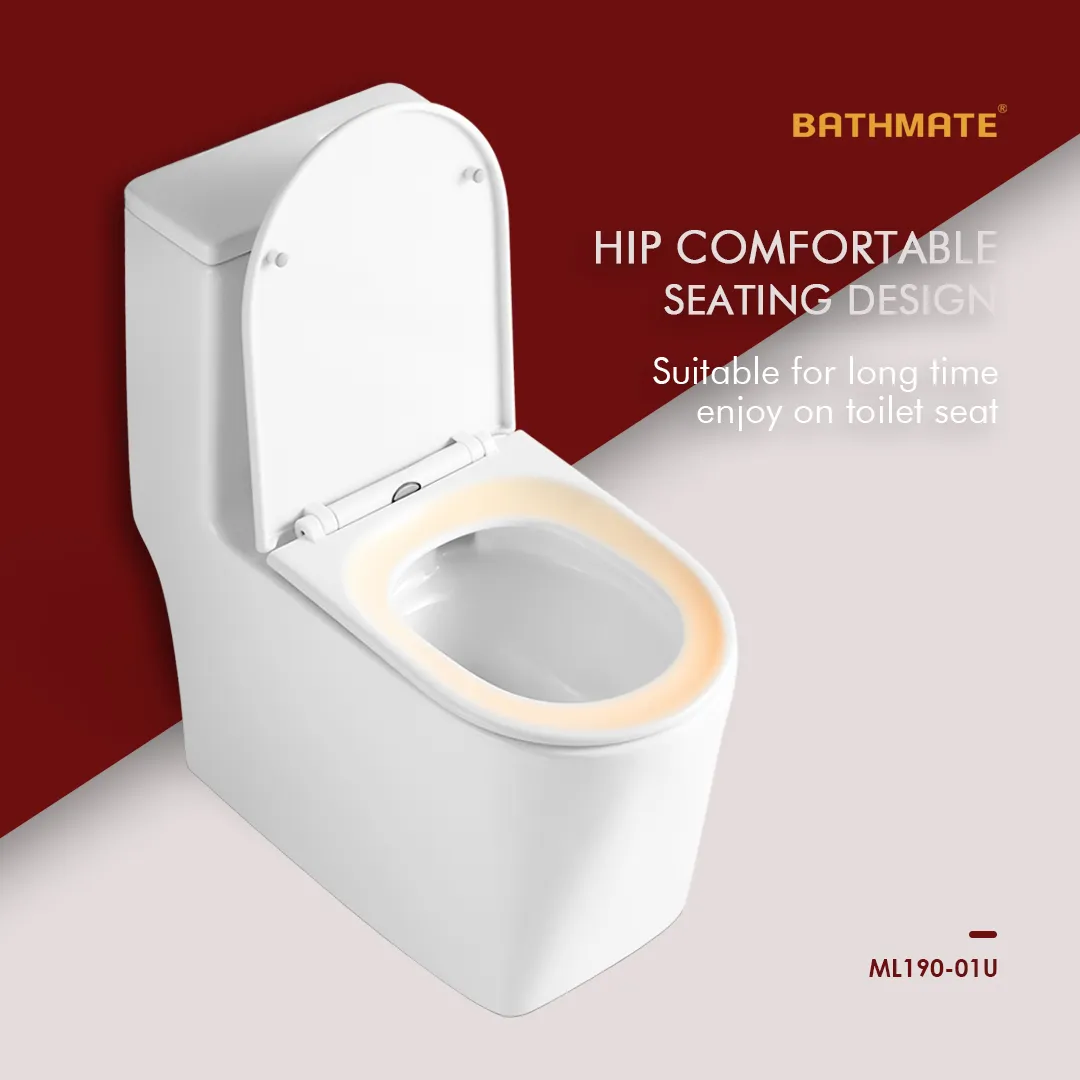

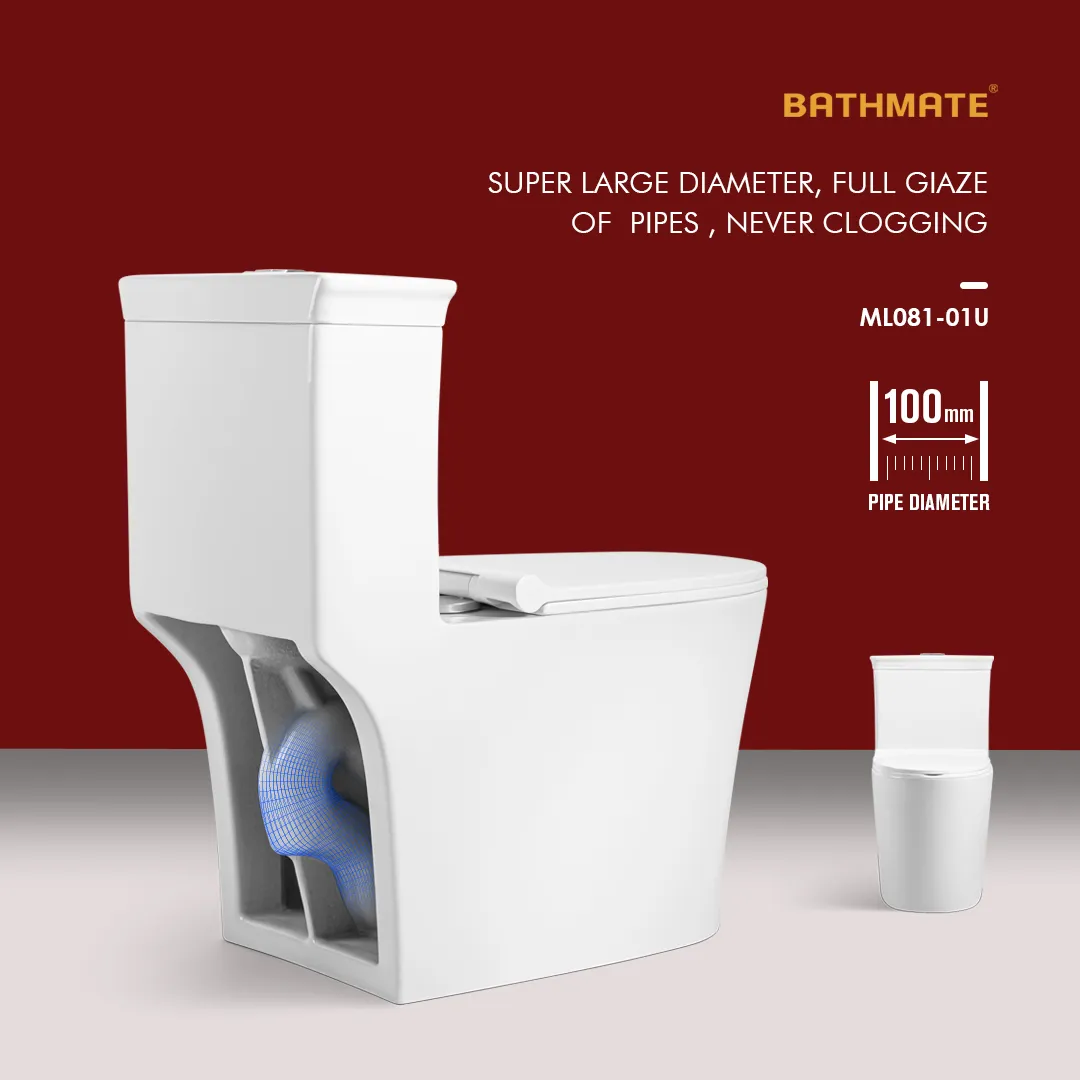
A one-piece toilet combines the tank and bowl into a single ceramic unit. Its integrated structure can provide a clean appearance and fewer visible connections.
For apartment projects, buyers should consider the product’s dimensions, installation requirements, weight, and handling needs when ordering one-piece toilets in bulk.
Two-Piece Toilets
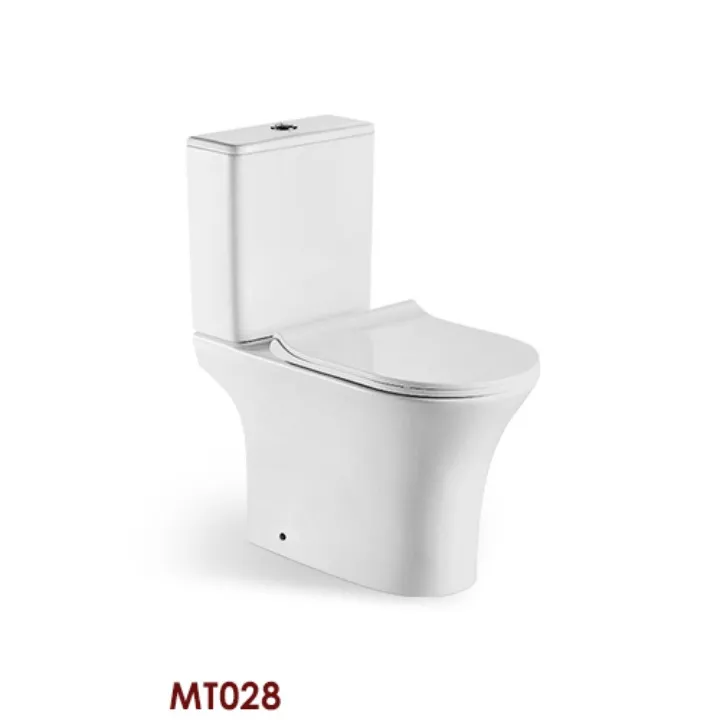
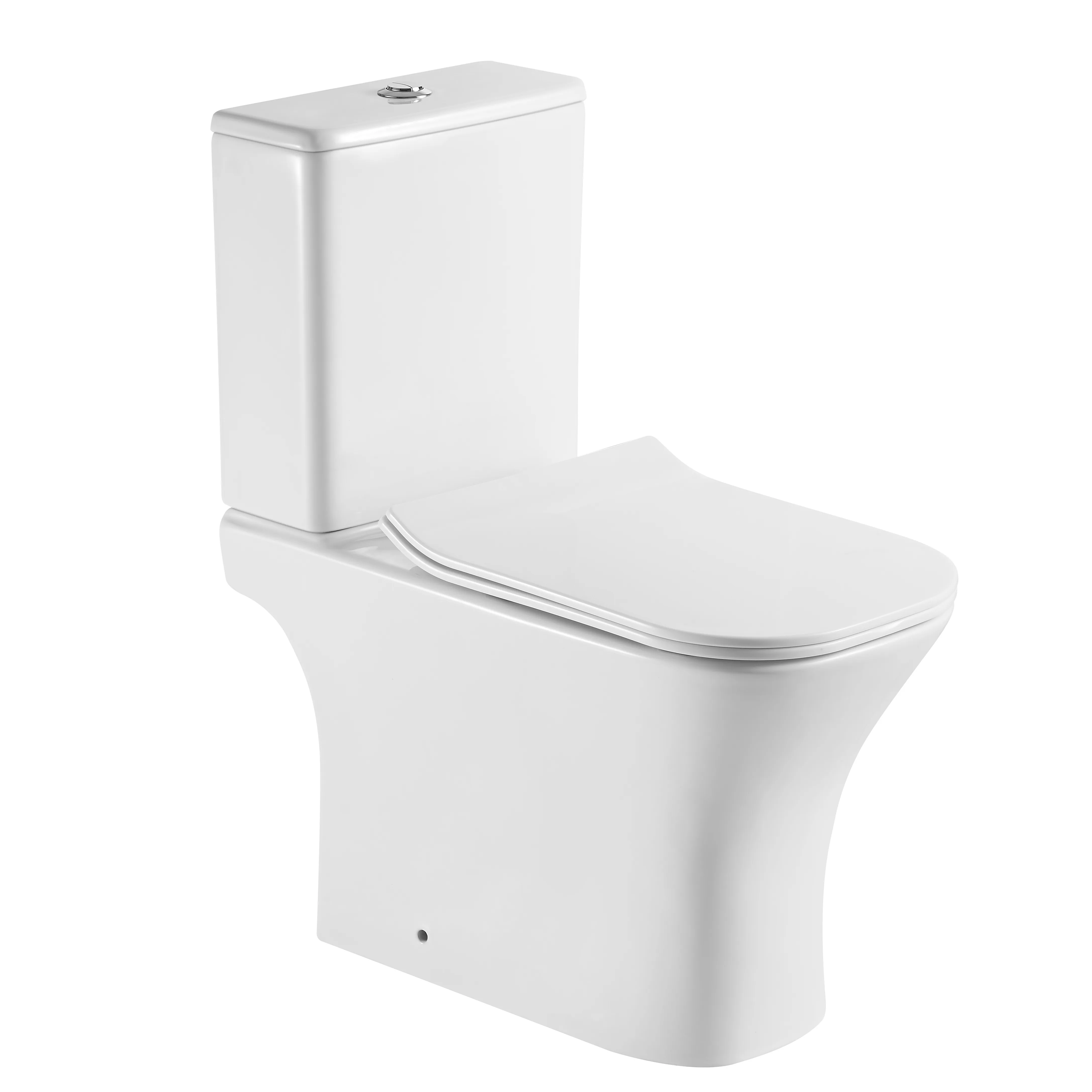
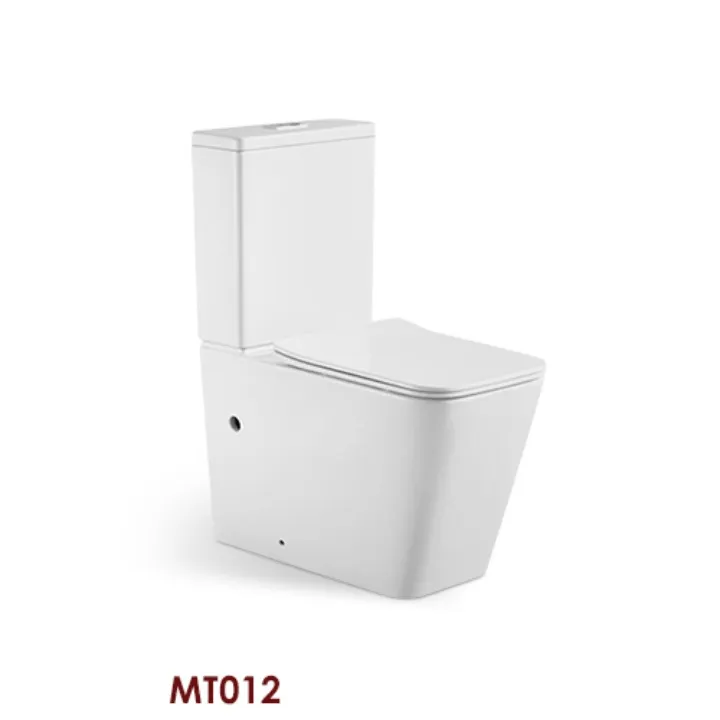
A two-piece toilet has a separate tank and bowl. This configuration is widely used across residential applications and provides flexibility for projects with conventional bathroom layouts.
When purchasing two-piece toilets in bulk, buyers should confirm that the tank and bowl are compatible and that the complete product meets the project’s installation requirements.
Wall-Hung Toilets
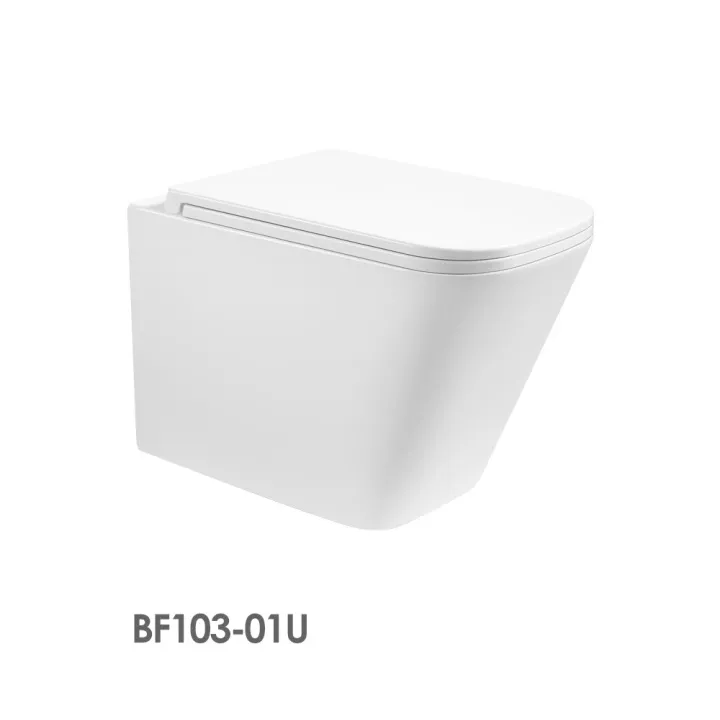
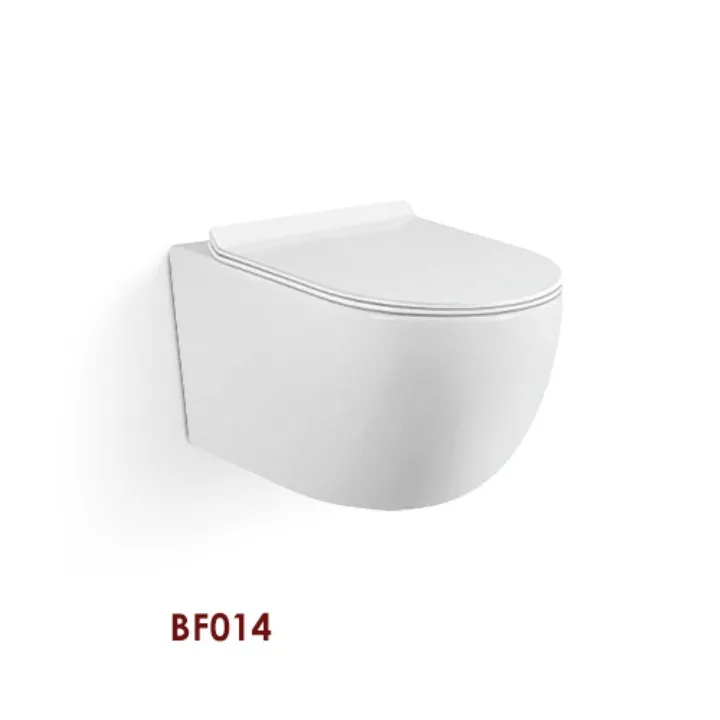
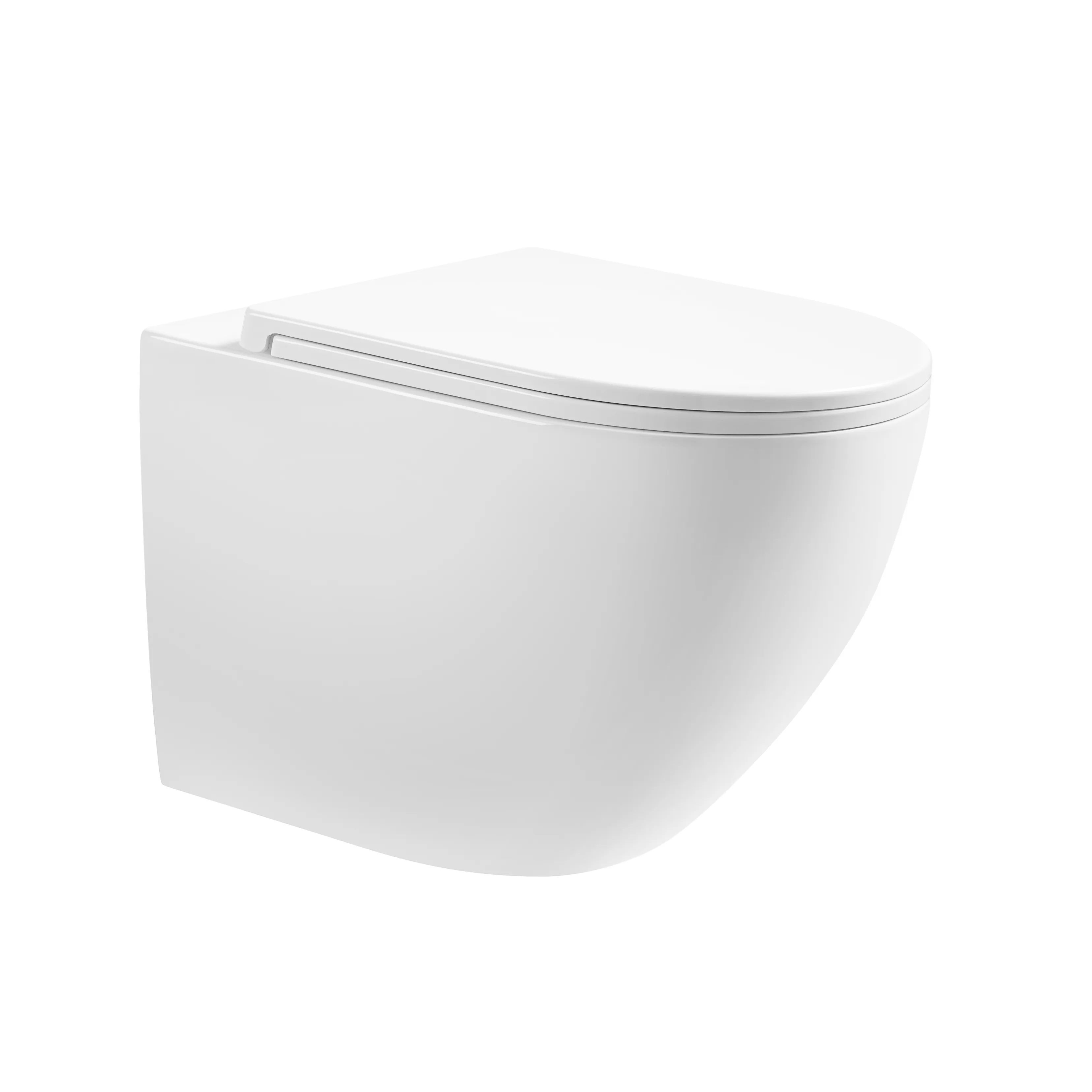
Wall-hung toilets are mounted to a concealed support system rather than directly onto the bathroom floor. They can create a more open visual appearance and may help make floor cleaning easier.
However, apartment projects using wall-hung toilets need to consider the concealed installation system, wall structure, drainage arrangement, and required installation space before placing an order.
Floor-Mounted Toilets
Floor-mounted toilets are installed directly on the bathroom floor and are suitable for many conventional residential layouts. They can be considered for projects where the existing drainage and installation conditions are designed around floor-mounted bathroom fixtures.
For bulk purchasing, buyers should confirm the required rough-in and drainage configuration before selecting a model.
Check Installation and Drainage Requirements
A suitable toilet for apartment projects must be compatible with the building’s plumbing and drainage system.
Before purchasing in bulk, buyers should confirm:
- Rough-in requirements
- Drainage position
- Water inlet location
- Available installation space
- Floor or wall structure
- Required fittings and accessories
These details are especially important when the same toilet will be installed across a large number of apartment units. A mismatch between the toilet and the project’s plumbing layout can create additional installation work and unexpected costs.
Evaluate Flush Performance
Flush performance should also be considered when selecting an apartment toilet. A toilet used in a residential development should provide reliable flushing performance under normal daily use.
Buyers can evaluate factors such as:
- Flush system
- Flush volume
- Waste removal performance
- Clogging resistance
- Water consumption
- Ease of cleaning
Different toilet designs and flush systems may offer different performance characteristics. Project buyers should therefore compare the actual specifications of available products instead of selecting based only on appearance.
Consider Ceramic Quality and Durability
For large apartment developments, consistent product quality is particularly important because hundreds of units may use the same sanitary ware.
When evaluating an apartment toilet, buyers should pay attention to:
- Ceramic body quality
- Glaze consistency
- Surface smoothness
- Color consistency
- Visible cracks or pinholes
- Dimensional consistency
- Overall finishing quality
A supplier should also be able to maintain consistent quality across production batches. This is important when an apartment project requires multiple deliveries over an extended construction period.
Balance Product Cost With Long-Term Project Requirements
Price is an important part of apartment project procurement, but the lowest unit price does not necessarily result in the lowest overall project cost.
Buyers should consider the relationship between:
- Product price
- Installation requirements
- Water consumption
- メンテナンス
- Replacement parts
- Product durability
- Packaging and transportation
- Expected service life
For example, a product that requires fewer modifications during installation may help reduce project labor costs. Similarly, consistent quality can reduce replacement and maintenance requirements after installation.
A practical approach is to evaluate the total cost of the toilet throughout the project rather than comparing unit prices alone.
Consider Maintenance and Replacement
Maintenance should be considered before the purchase order is placed, especially for apartment developments with many units.
A good toilet for apartment projects should be supported by suitable replacement components and clear maintenance requirements. Buyers should ask suppliers about the availability of commonly replaced parts such as toilet seats, hinges, flush components, and other compatible fittings.
Standardizing toilet models across a project can also simplify future maintenance because property management teams may only need to manage a smaller range of spare parts.
Evaluate the Supplier’s Bulk Supply Capability
For an apartment project, selecting the right product is only part of the procurement process. The supplier must also be able to deliver consistent products in the required quantity and within the project schedule.
Before placing a bulk order, buyers should evaluate:
- Production capacity
- Minimum order quantity
- Lead time
- Quality control procedures
- Packaging
- Loading and transportation
- Product consistency
- Spare parts availability
- After-sales support
A supplier with experience in project orders can help buyers coordinate product specifications, production schedules, quality inspection, and delivery requirements.
Check Samples Before Placing a Bulk Order
When purchasing an apartment toilet in large quantities, samples should be evaluated before final production whenever possible.
The sample review can include:
- Product dimensions
- Ceramic surface quality
- Color and glaze
- Flush performance
- Installation compatibility
- Accessories and fittings
- Packaging condition
Once the specifications and sample have been approved, the buyer should ensure that the final bulk order follows the same agreed requirements.
This can help reduce differences between the approved sample and mass-produced products.
Create a Standard Toilet Specification for the Project
For large apartment developments, establishing a clear product specification can make procurement and quality control easier.
The specification can include:
| Item | What to Confirm |
|---|---|
| Toilet Type | One-piece, two-piece, wall-hung, or floor-mounted |
| Dimensions | Width, depth, and height |
| Rough-In | Compatibility with drainage layout |
| Flush | Flush type and performance |
| Water Consumption | Flush volume and efficiency |
| セラミック | Material, glaze, and finish |
| Accessories | Seat, hinges, fittings, and other components |
| Quality | Inspection requirements |
| Packaging | Protection for transportation |
| Supply | MOQ and production lead time |
This specification can then be used by purchasing teams, contractors, quality inspectors, and suppliers throughout the project.
What Should Buyers Look for in an Apartment Toilet Supplier?
For Bangladesh apartment projects, buyers should look beyond product catalogs when evaluating a supplier.
A suitable supplier should be able to clearly communicate product specifications, production capacity, quality control procedures, packaging standards, and delivery schedules.
For projects requiring multiple toilet models or large quantities, it can also be useful to work with a manufacturer that has experience supporting OEM, ODM, private-label, or project-based orders.
The most suitable supplier is not necessarily the one offering the lowest quotation. Instead, buyers should consider whether the supplier can consistently meet the project’s requirements from initial sampling through final delivery.
Apartment Toilet Buying Checklist
Before confirming an order, buyers can use the following checklist:
- Confirm the bathroom layout and available space
- Check toilet dimensions
- Confirm rough-in and drainage requirements
- Select the appropriate toilet configuration
- Evaluate flushing performance
- Check water consumption
- Review ceramic and glaze quality
- Confirm accessories and replacement parts
- Approve product samples
- Review quality inspection requirements
- Confirm packaging and transportation protection
- Check MOQ and production lead time
- Confirm the supplier’s production capacity
Using a standardized checklist can make the purchasing process more consistent, especially when the project involves hundreds of apartment units.
よくある質問
What type of toilet is best for apartment projects?
The best toilet depends on the apartment layout, available bathroom space, installation conditions, project budget, and maintenance requirements. Buyers should evaluate these factors together rather than choosing a toilet based on appearance or price alone.
What should I check before buying toilets in bulk?
Before placing a bulk order, check toilet dimensions, rough-in requirements, flush performance, water consumption, ceramic quality, accessories, packaging, MOQ, production capacity, and delivery lead time.
Are wall-hung toilets suitable for apartment projects?
Wall-hung toilets can be suitable for apartment projects where the bathroom layout, wall structure, concealed support system, and drainage conditions are compatible with the installation requirements. Project buyers should confirm these conditions before ordering.
Should apartment projects use one-piece or two-piece toilets?
Both one-piece and two-piece toilets can be used in apartment projects. The choice should depend on the project’s bathroom layout, installation requirements, product specifications, budget, and maintenance considerations.
How can buyers ensure consistent toilet quality in a large project?
Buyers can approve samples before mass production, establish clear product specifications, define quality inspection requirements, and work with a supplier that can maintain consistent production quality across different batches.
結論
Choosing the right apartment toilet for a Bangladesh residential project requires more than comparing product appearance and price. Buyers should evaluate bathroom space, toilet configuration, installation requirements, flushing performance, ceramic quality, maintenance, and supplier capability as part of the overall procurement process.
For developers, contractors, and purchasing teams, the right toilet for apartment projects should provide a practical balance between project requirements, product performance, quality consistency, and long-term value. A clear specification and careful supplier evaluation can also help reduce installation problems and improve consistency across the entire development.
バスマイトについて
バスマイト is a sanitary ware manufacturer serving residential and project customers with a focus on practical bathroom solutions. With manufacturing capabilities in Bangladesh, Bathmate can support local project requirements with production, supply, and delivery services.
The company provides a range of toilets and bathroom products for different residential and commercial applications. For apartment developments and other construction projects, バスマイト supports buyers with product selection, specifications, bulk orders, and OEM/ODM solutions.
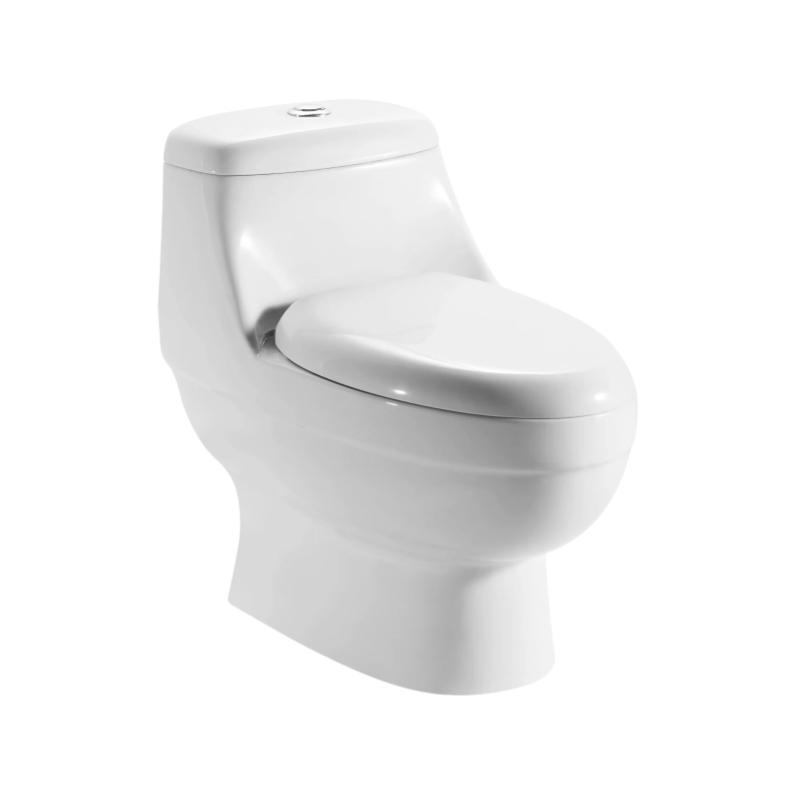
トイレ(便器)
トップクラスの便器メーカーであるバスメイトは、一体型便器、二段式便器、壁掛け式便器を大量に供給しています。当社のOEMおよびODMサービスを通じて、大量購入のお客様に対し、高品質と競争力のある価格を保証いたします。.