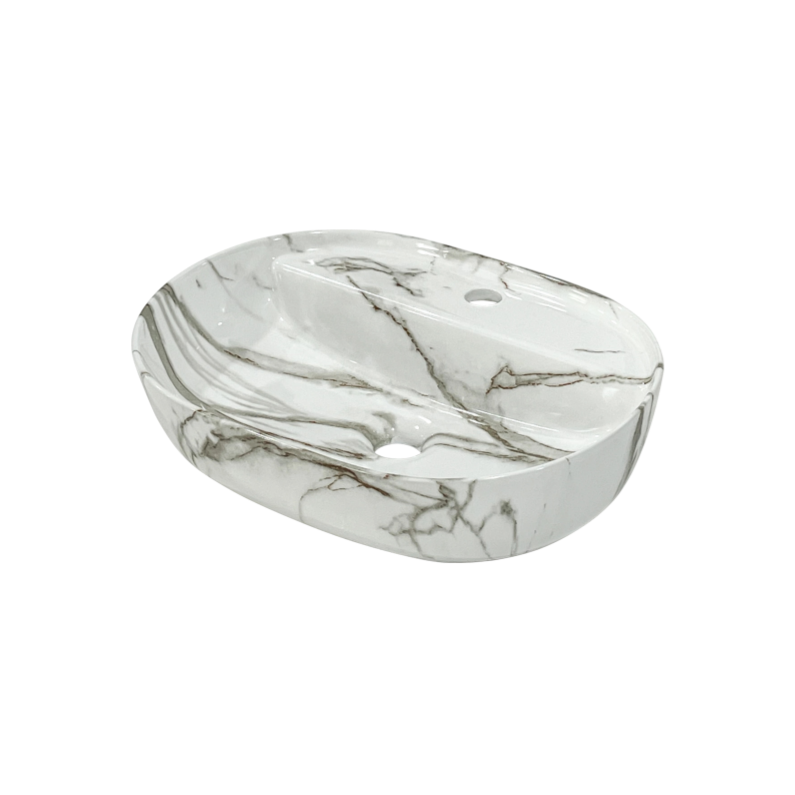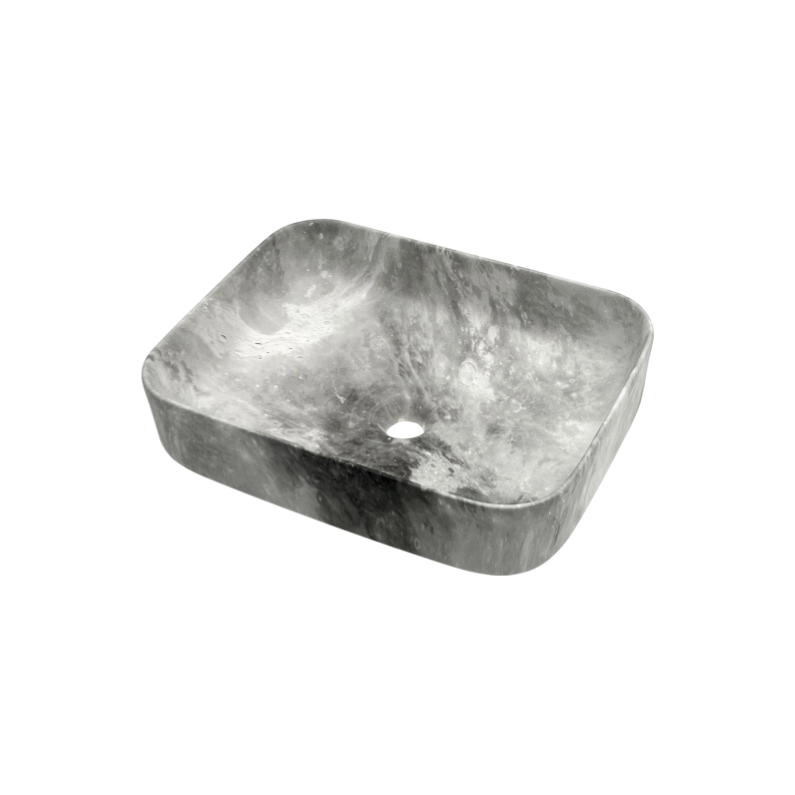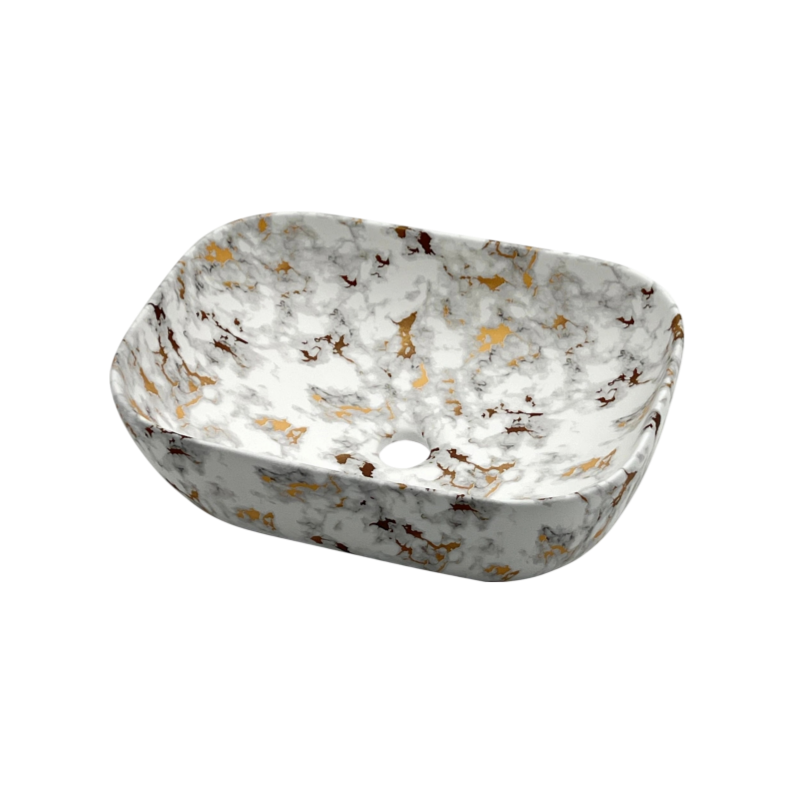







Choosing between a vessel sink and a wall-mounted basin is an important decision for residential and commercial bathroom projects. Both options offer practical benefits, but their installation methods, space requirements, maintenance needs, and design characteristics differ. For property developers, contractors, wholesalers, and sanitary ware distributors, understanding these differences helps ensure that the selected products meet project specifications and end-user expectations.
For buyers sourcing ceramic sanitary ware in Bangladesh and other international markets, the right choice depends on the bathroom layout, construction conditions, target customers, and purchasing budget. This guide compares vessel sinks and wall-mounted basins from a B2B procurement perspective, including their advantages, limitations, and key considerations before bulk ordering.
What Is a Vessel Sink?


A vessel sink is a wash basin installed above a countertop or vanity surface. Unlike an inset basin, much of the bowl remains visible above the counter, allowing its shape, color, and finish to contribute to the bathroom’s overall appearance.
Ceramic vessel sinks are available in various shapes and decorative styles. Depending on the manufacturer’s product range, buyers may find round, oval, rectangular, and other designs suitable for different bathroom interiors.
Key Features of a Vessel Sink
Vessel sinks are often selected for projects where appearance and design coordination are important. Their main characteristics include:
- Distinctive appearance: The visible bowl can become a focal point in a bathroom vanity area.
- Design flexibility: Different shapes, colors, and surface finishes can complement various interior styles.
- Countertop installation: The supporting countertop or vanity must provide adequate space and support for the basin.
- Faucet flexibility: Depending on the product design, a vessel sink may be paired with a suitable tall deck-mounted faucet or a wall-mounted faucet.
- Practical ceramic surface: Ceramic models generally have a smooth surface that is straightforward to clean when maintained according to the manufacturer’s instructions.
For wholesale ceramic vessel sink buyers, product dimensions, finish consistency, drain compatibility, and installation requirements should all be checked before an order is confirmed.
Where Are Vessel Sinks Commonly Used?
Vessel sinks can be suitable for residential bathrooms, hotel guest bathrooms, boutique hospitality projects, and other design-led interiors. They are particularly useful when the basin is intended to contribute to the visual identity of the space.
For apartment developers and hotel project buyers, however, appearance should not be the only consideration. The total installed height, countertop dimensions, faucet position, cleaning requirements, and expected maintenance workload should also be evaluated.
What Is a Wall-Mounted Basin?


A wall-mounted basin, also known as a wall-hung basin, is attached to a suitable wall or supporting structure rather than resting on a conventional vanity countertop. Depending on the product and plumbing arrangement, the area beneath the basin can remain open.
Wall-mounted ceramic basins are often considered for bathrooms where space efficiency, easy access to the floor, and a clean, compact layout are important.
Key Features of a Wall-Mounted Basin
Wall-mounted basins offer several practical characteristics for residential and commercial projects:
- Open floor space: The absence of a full vanity cabinet can help maintain an open bathroom layout.
- Compact arrangement: Selected models can work well in bathrooms where a large countertop or cabinet is unnecessary.
- Flexible placement: The installation position can be planned according to the bathroom layout, subject to plumbing connections and structural support.
- Straightforward floor access: The open area beneath the basin can make floor cleaning easier, although exposed pipes may require additional attention.
- Multiple applications: Wall-hung basins can be considered for apartments, guest washrooms, and other projects that prioritize space efficiency.
For wall-mounted basin wholesale orders, buyers should verify basin dimensions, fixing requirements, wall support, faucet configuration, and drainage position. These details should be checked against the selected model’s technical drawings and the project’s installation conditions.
Where Are Wall-Mounted Basins Commonly Used?
Wall-mounted basins are often considered for compact residential bathrooms, apartment developments, guest washrooms, and projects that favor an open, uncluttered appearance.
In Bangladesh, where residential projects can include a variety of bathroom layouts, wall-mounted basins may be a practical option when the available space, wall structure, and plumbing arrangement support this installation type. The final decision should always reflect the actual building design and product specifications.
Vessel Sink vs Wall-Mounted Basin: What Are the Main Differences?
Although both products serve the same basic purpose, their installation methods influence bathroom planning, appearance, and maintenance. The following comparison can help project buyers identify which option better fits their requirements.
| Vergleichsfaktor | Waschbecken | Wall-Mounted Basin |
|---|---|---|
| Installation method | Installed above a countertop or vanity | Fixed to a suitable wall or supporting structure |
| Countertop requirement | Normally requires a suitable supporting surface | Does not necessarily require a full countertop |
| Space planning | Requires space for both the basin and supporting surface | Can preserve open floor space beneath the basin |
| Design impact | The bowl often becomes a visible design feature | Often creates a compact, uncluttered appearance |
| Faucet selection | Requires a faucet suitable for the basin height and configuration | Requires a faucet compatible with the basin and plumbing layout |
| Structural considerations | Countertop support and drain opening must match the product | Wall support and fixing points must meet installation requirements |
| Reinigung | The bowl, rim, and surrounding countertop need regular cleaning | The bowl, mounting area, and any exposed plumbing need cleaning |
| Storage | Can be combined with a vanity or countertop storage | Usually requires separate storage if space beneath the basin is left open |
| Main procurement concern | Coordinating basin height, countertop, faucet, and drain | Confirming wall support, fixing positions, and plumbing connections |
Neither option is universally better. A vessel sink may be a stronger fit when visual design is a priority, while a wall-mounted basin may be more suitable when preserving an open floor area is important.
For B2B buyers, the best choice is the one that meets the project’s technical requirements, installation conditions, maintenance expectations, and budget.
What Are the Downsides of a Vessel Sink?
Vessel sinks offer distinctive styling, but they also have limitations that should be considered before specifying them for a residential or commercial project.
The Installed Rim Can Be Too High
Because a vessel sink sits above the countertop, its bowl height adds to the total installed height. If the vanity is designed without accounting for the basin, the rim may be uncomfortable for some users.
Project buyers should confirm the countertop height, basin height, faucet reach, and water outlet position before approving the final specification.
The Countertop Requires Suitable Support and Space
A vessel sink requires a supporting surface that can accommodate the bowl and its installation arrangement. The countertop may also need a suitable drain opening and sufficient clearance around the basin.
This affects vanity design and coordination with other bathroom fixtures. For multi-unit projects, the basin and countertop specifications should be confirmed together before production or installation begins.
The Surrounding Area May Need More Frequent Cleaning
Water, soap, and toothpaste can collect on the countertop around the bowl, depending on the basin design and how it is used. The area where the basin meets the countertop may also require regular wiping.
This does not mean every vessel sink is difficult to maintain. The actual cleaning workload depends on the bowl shape, faucet configuration, countertop arrangement, and maintenance routine.
Faucet Selection Requires Careful Planning
A faucet that is too short may not provide adequate clearance, while a poorly positioned or excessively high outlet can contribute to splashing. The correct faucet depends on the basin’s height, bowl shape, and installation configuration.
For wholesale ceramic vessel sink procurement, confirming faucet compatibility before ordering can help reduce installation problems.
Installation Components Need to Be Coordinated
A vessel sink, countertop, faucet, drain assembly, and supporting vanity must work together. If these components are specified independently, the project may encounter compatibility issues or additional installation work.
For developers and contractors, reviewing the product drawing and coordinating the complete installation arrangement before bulk ordering is a practical way to reduce this risk.
What Are the Limitations of a Wall-Mounted Basin?
Wall-mounted basins can help create an open bathroom layout, but they also have installation and planning requirements that buyers should consider before ordering.
Wall Support and Installation Requirements
A wall-mounted basin must be securely fixed to a suitable supporting structure. Depending on the model and installation method, appropriate reinforcement or a compatible mounting system may be required.
Buyers should confirm the basin’s fixing requirements and the site’s wall conditions before specifying the product. Installing a wall-mounted basin without adequate support can create safety and durability concerns.
Exposed Plumbing May Affect the Appearance
Because a wall-mounted basin does not necessarily include a vanity cabinet, the waste pipe and other plumbing connections may remain visible.
This may not suit every bathroom design. If a concealed or integrated appearance is required, the project may need additional planning for pipework and access for future maintenance.
Storage Space May Be Limited
A wall-mounted basin does not automatically provide storage underneath. In apartments, hotels, or family bathrooms where users need space for toiletries and cleaning products, a separate cabinet, shelf, or other storage solution may be necessary.
Buyers should consider the complete bathroom layout rather than evaluating the basin in isolation.
Installation Position Must Be Planned Carefully
The basin height, mounting points, water supply, and drainage position must be coordinated before installation. Incorrect positioning can create usability issues or require additional installation work.
For multi-unit projects, contractors should review the product drawings and site requirements before confirming the order, especially when several bathrooms must follow consistent specifications.
Which Basin Is Better for Different Bathroom Projects?
The most suitable basin type depends on the project category, available space, installation conditions, and expected maintenance requirements.
For Apartment Developments
Both vessel sinks and wall-mounted basins can work in apartment projects, but they serve different planning priorities.
Vessel sinks may suit apartments with coordinated vanity designs and sufficient countertop space. Wall-mounted basins may be more appropriate for compact bathrooms where developers want to reduce the visual bulk of cabinetry or preserve floor space.
Before placing a bulk order, developers should confirm basin dimensions, installation height, faucet position, and drainage configuration against the construction drawings. Selecting consistent models and specifications across multiple units can also simplify procurement and installation coordination.
For Hotels and Hospitality Projects
Hotel project buyers often need to balance appearance, cleaning routines, durability, and replacement requirements.
A vessel sink can contribute to a distinctive vanity design in guest bathrooms and design-led hospitality interiors. However, the exposed bowl and surrounding countertop require regular cleaning.
Wall-mounted basins may suit guest washrooms where a compact arrangement and easier access to the floor are useful. Buyers should assess mounting security, plumbing access, and the cleaning requirements of the selected model.
For large hospitality projects, the decision should be based on the full installation specification rather than appearance alone.
For Small Bathrooms
A wall-mounted basin can be advantageous in a small bathroom because it does not necessarily require a full vanity cabinet. This can help keep the floor area visually open.
A vessel sink may also work in a small bathroom, but buyers need to consider the combined height of the countertop and basin, along with the remaining space for comfortable movement.
For compact layouts, compare the complete installed dimensions of each option rather than looking only at the basin’s width. The faucet position, door swing, nearby toilet, and available circulation space may all affect the final decision.
For Wholesale and Multi-Unit Projects
Wholesalers, sanitary ware distributors, contractors, and developers should evaluate more than unit price when sourcing vessel sinks or wall-mounted basins.
Zu den wichtigen Aspekten gehören:
- Product range and model availability
- Consistency of dimensions, color, and finish across the order
- Installation drawings and technical specifications
- Compatibility with the plumbing components specified for the project
- Protective packaging and transportation arrangements
- Lead times, order quantities, and replacement availability
For projects in Bangladesh, buyers should also confirm delivery arrangements and supplier communication before finalizing a procurement schedule. These checks can help reduce delays caused by incorrect specifications or mismatched installation requirements.
What Should Buyers Check Before Ordering Vessel Sinks or Wall-Mounted Basins?
A clear procurement checklist can help reduce the risk of specification mismatches and installation problems in bulk orders.
Confirm Product Dimensions and Technical Drawings
Request the full dimensions and installation drawings for the selected model.
For vessel sinks, check the bowl dimensions, total height, countertop requirements, and drain opening. For wall-mounted basins, confirm the mounting dimensions, fixing points, and plumbing connections.
Do not rely on product photographs alone when planning a project. Technical drawings provide the information needed to coordinate the basin with the vanity, wall, and plumbing layout.
Verify Faucet and Drain Compatibility
The faucet, basin, and drain assembly should be considered as a coordinated set. Confirm faucet height and reach, drain opening dimensions, overflow configuration, and waste connections before placing the order.
Evaluate Surface Finish and Product Consistency
For ceramic vessel sinks and wall-mounted basins, review the finish, color, shape, and visible surface quality. For multi-unit projects, request samples or agreed quality references where appropriate, and clarify how product consistency will be checked.
Check Packaging and Delivery Requirements
Ceramic sanitary ware requires suitable protective packaging for handling and transportation. Buyers should confirm packaging specifications, order quantities, shipping arrangements, delivery schedules, and procedures for addressing transit damage with the supplier.
For distributors serving Bangladesh, coordinating product availability and delivery schedules early can help support inventory planning and project deadlines.
Work with a Supplier That Understands Project Procurement
A suitable sanitary ware supplier should provide accurate product information and help buyers confirm specifications before ordering. For B2B procurement, clear communication about models, dimensions, quantities, packaging, and lead times is just as important as comparing unit prices.
Bathmate buyers can review the available vessel sink and wall-hung basin ranges to identify products that align with their project specifications.
Häufig gestellte Fragen
Is a Vessel Sink Better Than a Wall-Mounted Basin?
Neither type is always better. A vessel sink may suit projects that prioritize a visible design feature and have enough countertop space. A wall-mounted basin may be preferable when an open area beneath the basin or a compact layout is more important. The final decision should consider installation conditions, maintenance, and budget.
What Are the Downsides of a Vessel Sink?
Potential downsides include a higher installed rim, the need for a suitable countertop, more countertop cleaning around the bowl, and careful faucet and drain selection. These issues can often be managed through correct product selection and installation planning.
What Are the Downsides of a Wall-Mounted Basin?
Potential limitations include the need for suitable wall support, possible exposed plumbing, limited storage beneath the basin, and careful coordination of mounting and drainage positions. The significance of these factors depends on the product design and project layout.
Do Vessel Sinks Need a Special Drain?
Not necessarily. The drain assembly must match the basin’s drain opening and overflow design. Buyers should check the manufacturer’s specifications to determine which drain fitting is compatible.
Are Vessel Sinks Suitable for Apartment Projects?
Yes. Vessel sinks can be suitable for apartment projects when the bathroom layout provides enough countertop space and the installed height is comfortable. For compact apartments, wall-mounted basins may also be worth considering.
Are Wall-Mounted Basins Suitable for Commercial Bathrooms?
They can be suitable for many commercial and hospitality settings, provided the basin and mounting system meet the project’s structural, plumbing, and maintenance requirements. Buyers should confirm the intended application and installation specifications before ordering.
Fazit
Choosing between a vessel sink and a wall-mounted basin requires more than comparing styles. Vessel sinks can create a strong visual feature and work well with coordinated vanity designs, while wall-mounted basins can provide a compact arrangement with an open area beneath the basin.
Each option also has limitations. Vessel sinks require careful coordination of countertop height, faucet position, and cleaning access. Wall-mounted basins require suitable wall support, accurate mounting positions, and planning for exposed plumbing or separate storage.
For developers, contractors, wholesalers, and sanitary ware distributors, the best choice depends on the available space, installation requirements, maintenance expectations, and procurement budget. Confirming dimensions, faucet and drain compatibility, product consistency, and delivery arrangements before ordering can help reduce project risks.
For bathroom projects in Bangladesh, buyers should also consider local installation conditions and delivery coordination when selecting ceramic sanitary ware.
Über Bathmate
Bathmate is a sanitary ware manufacturer established in 2009, with high-pressure ceramic production lines and a monthly capacity of approximately 30,000 pieces. We provide OEM/ODM services and bulk supply solutions for toilets, vessel sinks, and wall-hung basins.
In Bangladesh, Bathmate offers local factory operations, warehouse and office support, and a Bengali-speaking sales team for efficient communication and order coordination. Contact Bathmate for reliable sanitary ware supply for your projects.

Becken
Wir bieten eine vielfältige Auswahl an Keramikwaschbecken für den Großhandel, darunter Aufsatzwaschbecken, Unterbauwaschbecken, Design-Waschbecken, wandhängende Waschbecken, Standwaschbecken und vieles mehr. Unsere maßgefertigten Keramikwaschbecken werden aus hochwertigen Materialien gefertigt und zeichnen sich durch Langlebigkeit, Stil und Vielseitigkeit aus, sodass sie sich nahtlos in jedes Badezimmerdesign einfügen.